8 Benefits of Professional Grooming for Dogs
Most dog owners think of grooming as something you do to keep a dog looking neat. That's part of it, but it's only a small part. Regular grooming plays a real role in your dog's health, comfort, and behaviour, and a lot of owners don't realise how much a proper groom can pick up on until something is actually wrong.
If you've ever brushed your dog at home and wondered whether it's enough, you're not alone. Home grooming has its place, but it can't fully replace what a trained groomer does with the right tools and a trained eye for spotting problems early. Here are eight real benefits of getting your dog professionally groomed.
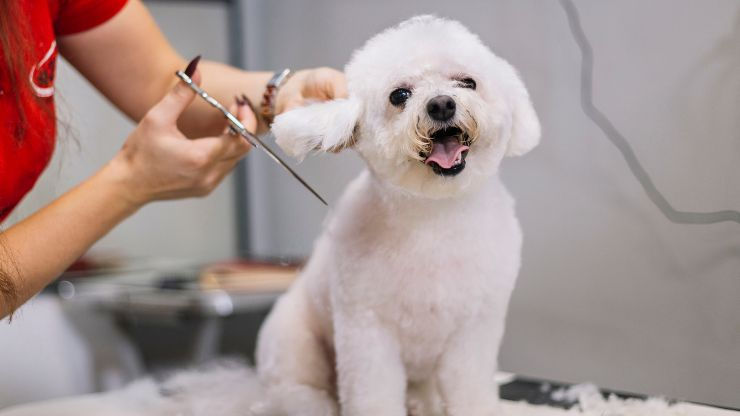
8 Benefits of Professional Dog Grooming
1. A healthier skin and coat: Groomers wash and condition the coat with products suited to your dog's skin type, which keeps natural oils balanced instead of stripped out. A healthy coat also helps regulate body temperature, keeping dogs cooler in summer and warmer in winter, and it acts as a barrier against dirt and small cuts. Dogs with sensitive skin often do better with a medicated or hypoallergenic shampoo, which most groomers stock but most households don't.
2. Prevents painful matting: Mats pull on the skin, trap moisture, and can hide fleas or infections underneath. In bad cases, matting gets tight enough to restrict blood flow to the skin, which makes removal painful if it's left too long, and sometimes the only safe fix at that stage is shaving the area down close to the skin. Regular grooming stops mats from reaching that point in the first place, especially in areas prone to friction like behind the ears, under the collar, and between the back legs.
3. Catches health issues early: Groomers spend a lot of hands-on time with dogs, often more than most vets do in a routine check-up. That close contact means they're often the first to notice lumps, rashes, or sore spots, and a groomer will usually flag anything unusual so you can follow up with your vet. This kind of early flag matters most for older dogs, since skin lumps and joint stiffness tend to develop gradually and are easy to miss day to day.
4. Ticks and fleas get spotted sooner: Ticks and fleas are easy to miss at home, especially in a thick coat during warmer months when they're more active. A groomer going over the whole dog, including areas like the ears, armpits, and between the toes, is more likely to find them than an owner brushing at home. Catching a tick early, before it's been attached for long, lowers the risk of it passing on a tick-borne illness.
5. Proper nail care: Overgrown nails change how a dog stands and walks, which puts pressure on their joints over time and can affect their posture. Nail trimming at home carries a real risk of cutting the quick, which is painful and can cause bleeding, so a groomer's steady hand keeps this part of the process safe and consistent. This matters more for dogs that don't wear their nails down naturally through walking on hard surfaces, which includes most small breeds and older dogs that walk less.
6. Lower risk of ear infections: Floppy-eared breeds trap moisture in the ear canal, which is a common cause of infection. Ear cleaning during a groom clears out wax and debris and helps keep this under control between vet visits. Breeds like Spaniels, Poodles, and Cavoodles are especially prone to this, since their ear shape and hair growth around the canal both reduce airflow.
7. Less shedding around the house: A de-shedding treatment removes loose undercoat that regular brushing at home often misses, which cuts down on the hair building up on floors, furniture, and clothes. This matters most for double-coated breeds that blow their coat seasonally, since a home brush usually only reaches the top layer while the loose undercoat stays trapped underneath and keeps shedding out over following weeks.
8. Calmer, more confident dogs: Dogs that visit a groomer regularly get used to being handled, having their paws touched, and standing still for longer. This makes things like vet visits and nail trims at home easier over time, especially for anxious dogs that struggle with being touched by strangers. A groomer who works at a slower pace with a nervous dog, rather than rushing the appointment, tends to build that confidence up gradually instead of making the dog dread each visit.
How Often Should Dogs Be Groomed
There's no single answer here, since it depends on breed, coat type, and lifestyle. A short-haired dog that spends most of its time indoors will need far less grooming than a long-haired breed that's outside often.
Between full grooms, a quick bath and tidy up helps keep the coat clean and manageable without needing a complete trim. This works well for dogs that don't need a full styled cut but still need regular upkeep, and pairing it with a few general grooming habits at home keeps the coat in decent shape between visits too.
Home Grooming vs Professional Grooming
Plenty of owners brush their dog at home, and that's a good habit to keep up, especially with a few of the right supplies on hand. It won't fully replace professional grooming, though.
Home brushing usually reaches the surface coat but misses the dense undercoat underneath
Nail trimming at home carries a real risk of cutting too close to the quick, which is painful and can cause bleeding
Bathing without the right shampoo can dry out or irritate sensitive skin
Owners often can't reach or see areas like behind the ears, under the tail, or between the paw pads as thoroughly as a groomer can
De-matting at home is risky, since removing mats incorrectly can hurt the dog or damage the skin underneath
None of this means home grooming is a waste of time. Regular brushing between appointments helps reduce matting and keeps the coat in better shape overall, and it works alongside professional grooming rather than instead of it.
What Happens During a Grooming Appointment
Most appointments follow a similar order, which helps both the dog and the owner know what's coming. The groomer starts with a quick check of the coat and skin, then moves through bathing, drying, and brushing before the trim or style. Nail clipping and ear cleaning are usually worked in somewhere along the way, along with a paw pad trim and a final tidy-up of the face and finishing touches. Teeth cleaning is often available as an add-on too, which is worth considering given how much dental health affects a dog's overall wellbeing. If it's your dog's first time, it helps to know how to get them ready for the appointment beforehand, since a calmer start usually means a calmer groom.
A calm environment matters more than people expect. Dogs pick up on stress easily, so a salon that takes its time and works at the dog's pace usually gets a better result than one that rushes through the process. Once the groom is done, a bit of aftercare at home helps the coat and skin settle in properly over the next day or two.
Signs Your Dog Is Overdue for a Groom
A few signs are easy to spot if you know what to look for.
The coat feels greasy, smells stronger than usual, or looks dull
You can feel or see mats, especially behind the ears, under the legs, or around the tail
Nails click loudly on hard floors or you can hear them scraping
Your dog scratches or licks certain spots more than normal
There's a build-up of wax or a noticeable smell coming from the ears
If any of these sound familiar, it's a good sign your dog is due for an appointment rather than another home bath.
Choosing the Right Groomer for Your Dog
Not every salon suits every dog. Some dogs do best with a groomer who takes things slowly and lets them settle in before starting, while others are relaxed enough that a quicker appointment works fine. Before booking, it's worth knowing what to look for in a groomer, including how they handle anxious dogs and whether they've worked with your dog's breed or coat type before.
A styled full groom suits dogs with longer coats that need shaping and detail work, while a standard full groom is often enough for dogs with shorter coats that just need a practical, low-maintenance clip. The choice between the two usually comes down to coat length and how much styling it needs, rather than the dog's size or breed alone.
Your Dog's Coat Deserves the Same Attention as the Rest of Their Care
Grooming keeps a dog's skin and coat healthy, helps catch problems early, and makes sure they're comfortable in their own fur. A good groomer notices things owners often miss, and that can save a lot of trouble later on.
If your dog is overdue for a groom, or you're not sure how often they should be coming in, it's worth having a chat with a professional who can look at their coat and give you a straight answer. You can read more about the team at Woof Society or go ahead and book a grooming appointment whenever you're ready.


Comments